Getting Started With Hiragana and Katakana
Master the two fundamental Japanese writing systems and understand exactly when to use each one. This foundation makes reading Japanese texts far easier than you’d expect.

Why These Two Systems Matter
You’re probably wondering: why does Japanese need two different alphabets? It’s not as complicated as it sounds. Think of it like having lowercase and uppercase letters, except each serves a completely different purpose.
Hiragana handles native Japanese words and grammatical elements. Katakana takes foreign words and technical terms. Once you understand this split, you’ll actually find Japanese text easier to navigate. You’re not learning two completely separate systems — you’re learning the same sounds twice, in two different visual styles.
Quick Reality Check
Most people learn both systems in 3-4 weeks of consistent practice. You won’t memorize every character on day one — that’s normal. You’ll recognize patterns, build muscle memory, and gradually pick up speed. By week two, you’ll be reading actual Japanese sentences.
Understanding Hiragana
Hiragana is the workhorse of Japanese writing. It’s the system you’ll see most often in everyday texts, children’s books, and casual writing. Each character represents a syllable — either a consonant-vowel combination or just a vowel.
The Structure
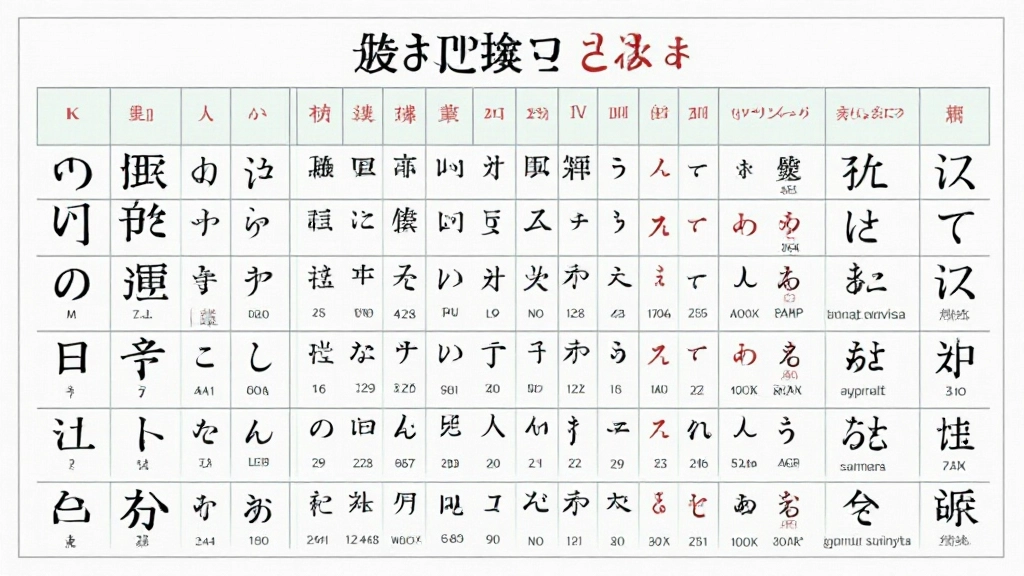
There are 46 basic hiragana characters. They’re organized into five rows based on vowels: a, i, u, e, o. The consonants change, but the vowel stays the same within each column. So once you learn the vowel pattern, you’re already halfway through memorizing the system. It’s surprisingly logical when you see the organization.
- あ (a) — The first character, sounds like “ah”
- か (ka) — Add a “k” sound, pronounced “kah”
- さ (sa) — Shift to “s”, sounds like “sah”
- ん (n) — The only single consonant, makes an “ng” sound
You’ll encounter hiragana when reading sentence particles (like は, を, に), verb endings, and adjective forms. It’s woven throughout Japanese text. Most native Japanese children learn hiragana first, before they even start with kanji. That tells you something about how fundamental it is.
Mastering Katakana
Katakana looks sharper and more angular than hiragana. It serves a specific purpose: representing foreign words and international terms. When a word comes from English, French, or any other language, Japanese phonetically spells it out in katakana.
Why It Exists
English loan words are everywhere in Japanese. Computer becomes コンピューター (konpyūtā). Restaurant becomes レストラン (resutoran). This system lets native speakers immediately recognize foreign origin words. It’s incredibly practical — you’re not importing the English spelling, you’re adapting the pronunciation to Japanese phonetics.
Common katakana examples you’ll see:
- テレビ — Television (from English “TV”)
- コーヒー — Coffee (from English “coffee”)
- インターネット — Internet (from English “internet”)
- ビジネス — Business (from English “business”)
The good news? Katakana uses the exact same sounds as hiragana. You’re not learning 92 new sounds — you’re learning 46 new visual forms for sounds you’ve already memorized. The muscle memory from hiragana practice transfers directly.
Hiragana vs Katakana: Side by Side
These two systems represent the same sounds but serve different functions. Understanding when to use each one is what makes reading Japanese intuitive.
Hiragana
- Native Japanese words
- Sentence particles (は, を, に)
- Verb and adjective endings
- Rounded, flowing appearance
- More frequent in text
Katakana
- Foreign loan words
- Brand names and proper nouns
- Scientific and technical terms
- Angular, sharp appearance
- Stands out visually in text
Here’s the insight: When you’re reading Japanese and you see katakana, your brain immediately knows: this is a foreign word or specialized term. That visual distinction helps you understand the text faster. It’s not just about writing — it’s about efficient communication.
A Realistic Learning Path
You don’t need a fancy system. You need consistency and the right approach. Most people overthink this stage. Keep it simple.
Week One: Learn the Basic Shapes
Focus on hiragana first. Print a chart. Spend 15-20 minutes daily writing the characters by hand. Don’t rush. Your brain learns shapes through muscle memory, not through passive reading. The physical act of writing matters.
Week Two: Recognize and Read
Stop writing for a moment. Use flashcards or apps to recognize characters when you see them. Read simple hiragana-only texts. Your goal isn’t perfection — it’s building recognition speed. Spend 20-30 minutes daily on recognition drills.
Week Three: Introduce Katakana
Now start katakana. The sounds are identical to hiragana, so your learning curve is much shorter. You’re essentially learning new shapes for sounds you already know. Write them by hand, then do recognition practice. 15-20 minutes daily is enough.
Week Four: Read Mixed Text
By now, you’re reading simple sentences with both hiragana and katakana. You might not understand the kanji (if present), but you can sound out the entire sentence. That’s the victory. You’ve cracked the code of how Japanese works.

Practical Tips for Success
Write by Hand
Digital typing is useful later. But for initial learning, handwriting activates different memory pathways. You’ll retain characters better when you’ve physically drawn them dozens of times.
Say Them Out Loud
Don’t just read silently. Pronounce each character as you study. Your ears learn the sounds, your mouth learns the mouth movements, and your brain connects all of it together. It’s multisensory learning.
Consistent Daily Practice
Twenty minutes every day beats three-hour cramming sessions. Your brain consolidates memories during sleep. Daily exposure means better long-term retention. Build it into your routine.
Use Multiple Resources
Charts, flashcard apps, YouTube videos, workbooks — mix them up. Different formats reinforce different aspects of learning. One resource won’t cover everything, but several sources build comprehensive understanding.
Track Your Progress
Keep a learning journal. Note which characters are tricky, which you’ve mastered, your reading speed improvements. Seeing tangible progress motivates you to keep going when it gets challenging.
Find Real-World Practice
Read menus, product labels, social media posts in Japanese. Real context makes learning stick better than artificial exercises. You’re training your brain to recognize actual patterns it’ll encounter.

Educational Note
This guide is designed as an informational resource for learning Japanese writing systems. The learning timeline and methods suggested are based on common educational practices and may vary depending on your personal learning pace, prior language experience, and available study time. Individual results depend on consistent practice and personal commitment. Language learning is a personal journey — adjust these recommendations to fit your own pace and learning style.
Continue Your Learning Journey