
Understanding Japanese Culture Through Language
Words aren’t just sounds — they’re windows into how Japanese people think and what they value. Let’s explore the deep connection between language and culture.
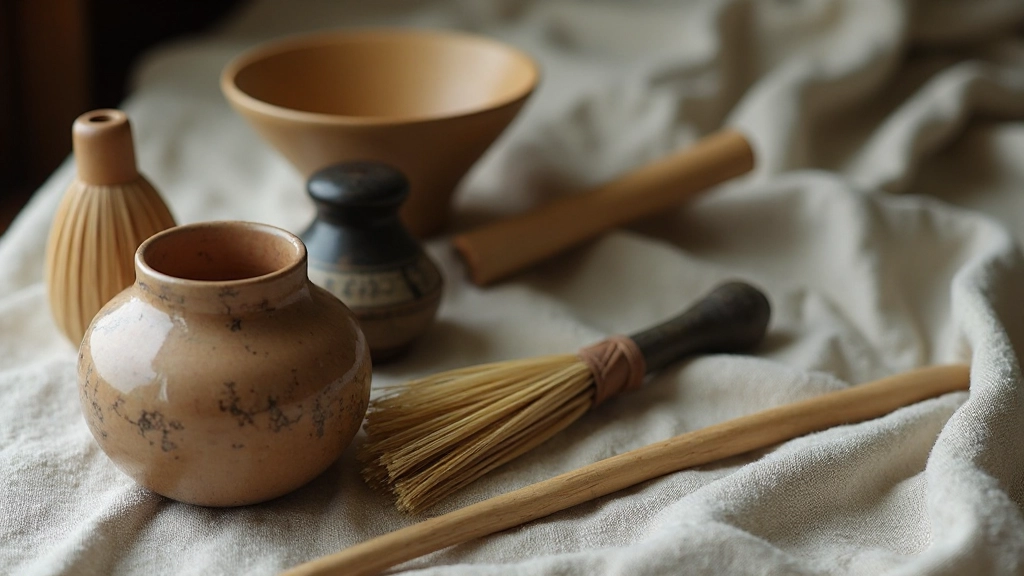
Language as Cultural Mirror
When you learn Japanese, you’re not just picking up grammar and vocabulary. You’re stepping into a way of thinking that’s been shaped over centuries. Every word carries history, respect, and meaning that goes way beyond what you’ll find in a dictionary.
Think about how Japanese has different levels of politeness — keigo, casual speech, humble forms. These aren’t just grammar rules. They’re reflections of how Japanese culture values relationships, hierarchy, and respect. When you choose your words carefully in Japanese, you’re showing that you understand who you’re talking to and where you stand in that relationship.
That’s what makes learning Japanese so rewarding. It’s not about memorizing 2,000 kanji characters. It’s about understanding the philosophy behind the language itself.
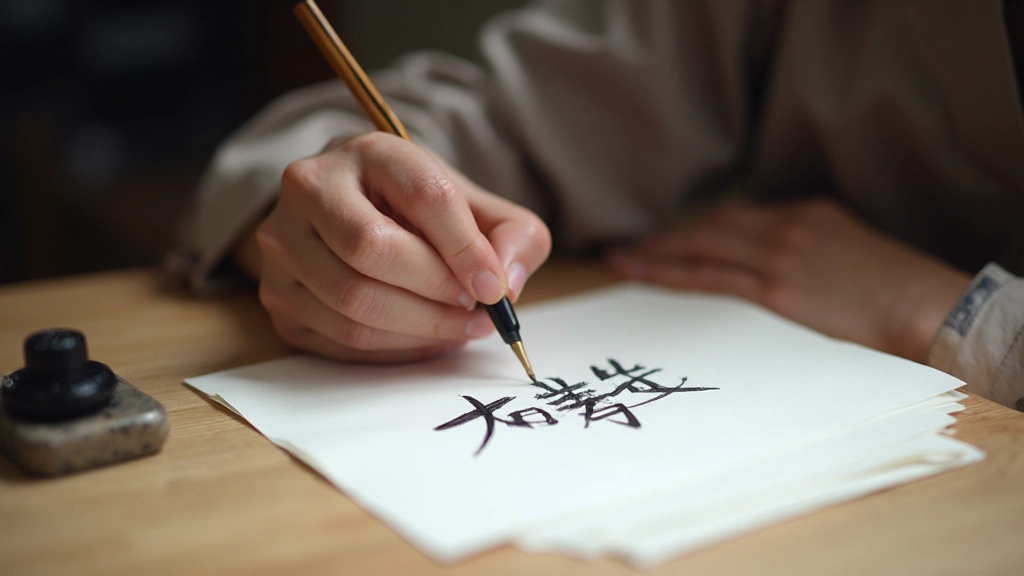
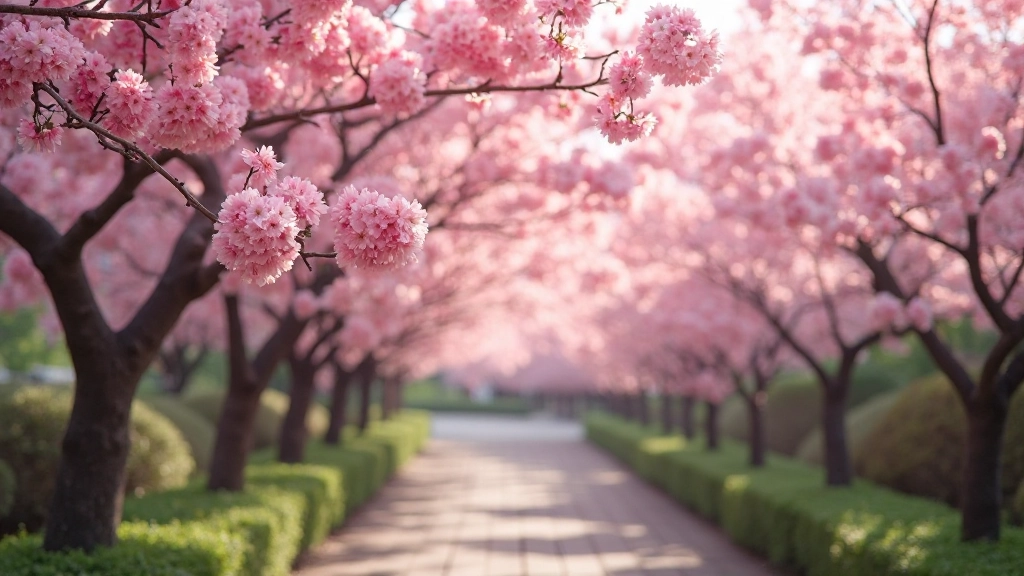
Seasons Shape Everything
Japan’s culture is deeply connected to the four seasons. You’ll notice this immediately in the language. There are specific words for seasonal phenomena — not just “autumn” but the way the light changes, the sound the leaves make, the feeling in the air.
Japanese poetry, especially haiku, relies on seasonal references. A real haiku isn’t just 5-7-5 syllables. It includes a kigo — a seasonal word that grounds the poem in a specific time of year. Without understanding the cultural significance of seasons, you’re missing half the meaning.
Even in everyday conversation, seasonal awareness matters. When you greet someone in summer, you might say “Atsui desu ne” (It’s hot, isn’t it?), acknowledging the shared experience of the season. These small moments of cultural awareness are what make language feel authentic.
Pro tip: Learn one seasonal reference every month. When you talk about Japanese weather or nature using the right seasonal words, native speakers immediately recognize you’re culturally aware.
The Art of Honorifics and Respect
English speakers sometimes struggle with Japanese honorifics because we don’t really have an equivalent in English. You might say “you” to your boss, your friend, and a stranger. In Japanese? That’s three completely different words and three different levels of formality.
San (さん), sama (様), and chan (ちゃん) aren’t just suffixes you add randomly. They communicate your relationship to the person. Use the wrong one, and you’ve accidentally told them something about how you see them. Miss using one when it’s expected, and you’ve been rude — even if you didn’t mean to be.
This reflects something core to Japanese culture: awareness of hierarchy and relationship. It’s not cold or formal — it’s actually a way of showing respect and maintaining harmony. When you understand this, using honorifics stops feeling like a burden and starts feeling like part of being polite.
Common Honorifics You’ll Use
- San (さん) — Standard polite form for most people
- Sama (様) — Very formal, used for customers or high-status people
- Chan (ちゃん) — Affectionate, used for friends or family
- Kun (君) — Casual, typically used between friends or for younger people
- Sensei (先生) — For teachers, doctors, or respected professionals


The Power of Suggestion Over Statement
Japanese culture values subtlety. You won’t often hear a direct “no” — instead, you might hear “it’s a bit difficult” or “we’ll have to think about that.” This isn’t evasiveness. It’s a way of preserving relationships and giving people a graceful way out.
This shows up constantly in the language. Japanese uses passive voice more frequently than English. Instead of “I think you should do this,” you’d be more likely to hear “It might be good to do this.” This softens the statement and makes it less confrontational. It’s about creating harmony rather than asserting dominance.
Understanding this cultural pattern changes how you interpret what Japanese people are saying. When someone says “That might be difficult,” they’re often saying no without saying the word. Learning to read between the lines isn’t just about language — it’s about cultural competence.
Keigo: The Language of Respect
Polite Japanese (keigo) is where language and culture really intersect. It’s not just about being nice — it’s about understanding social hierarchy and showing awareness of your place in a situation.
Teineigo (Polite Form)
The level you’ll use most often with people you don’t know well. It’s polite without being overly formal. Adds “-masu” endings to verbs and keeps conversation respectful. Think of this as your default mode when speaking Japanese in public or professional settings.
Keigo (Honorific/Humble)
This is advanced politeness. You use humble forms when talking about your own actions and honorific forms when talking about someone else’s actions. It shows deep respect and awareness of social positioning. Necessary in business and formal settings.
Casual Japanese
Used with friends, family, and people your own age. No “masu” endings, shorter forms, and much more direct. This is how Japanese people actually talk with each other. But use it at the wrong time and you’ll seem rude or immature.
Putting It All Together
Here’s the thing about learning Japanese: you can’t separate the language from the culture. They’re intertwined. When you learn why certain words exist, why grammar works a certain way, why politeness levels matter — suddenly the language makes sense.
Start noticing these patterns. When you watch Japanese media or read Japanese text, ask yourself: “Why did they choose this word? What does this honorific choice tell me about the relationship?” This kind of cultural thinking will accelerate your learning faster than any flashcard.
Learning Japanese isn’t just about being able to say things. It’s about understanding the philosophy behind how Japanese people communicate. That’s what makes it worth learning.
Three Ways to Deepen Your Cultural Understanding
- Watch Japanese films or shows and pay attention to how characters speak to each other based on their relationships
- Read Japanese poetry or literature (even in translation) to understand how seasons and nature are woven into meaning
- Practice listening to different levels of politeness and notice when and why speakers switch between casual and formal speech

Language Is Culture, Culture Is Language
You can’t truly understand Japanese without understanding Japanese culture. Every honorific, every indirect phrase, every seasonal reference — these aren’t just grammatical quirks. They’re expressions of values that have shaped Japanese society for centuries.
When you learn Japanese, you’re not just adding a new skill to your resume. You’re gaining access to a different way of thinking about respect, relationships, nature, and communication itself. That’s what makes the effort worthwhile.
Start small. Pay attention. Ask questions about why things are the way they are. That curiosity about the culture behind the language will make you a better learner and a more thoughtful communicator.
Ready to Dive Deeper Into Japanese?
Understanding the culture behind the language accelerates your learning. Explore our complete Japanese language course designed for learners who want to understand not just how to speak, but why Japanese people speak the way they do.
Explore Our Courses
Getting Started With Hiragana and Katakana
Learn the two basic Japanese writing systems and understand when to use each one. Master these fundamentals before moving to kanji.
Read More
Essential Grammar Patterns for Beginners
Master the sentence structures you’ll use most often. We focus on patterns that actually appear in real conversations.
Read More
Common Phrases You’ll Actually Use
Skip the textbook phrases. We teach conversation starters and responses people really use in daily situations.
Read MoreDisclaimer
This article provides educational information about the relationship between Japanese language and culture. While we’ve aimed for accuracy, cultural interpretations can vary based on individual experiences and regional differences within Japan. This content is intended to supplement formal Japanese language study, not replace it. For comprehensive language instruction, we recommend structured courses and conversation practice with native speakers. Cultural observations in this article reflect general patterns and may not apply universally to all speakers or situations.